
AI automation
AI calling agents: a practical starting point
Choose a useful first call flow, plan a human handoff and measure whether your customers are getting the help they need.
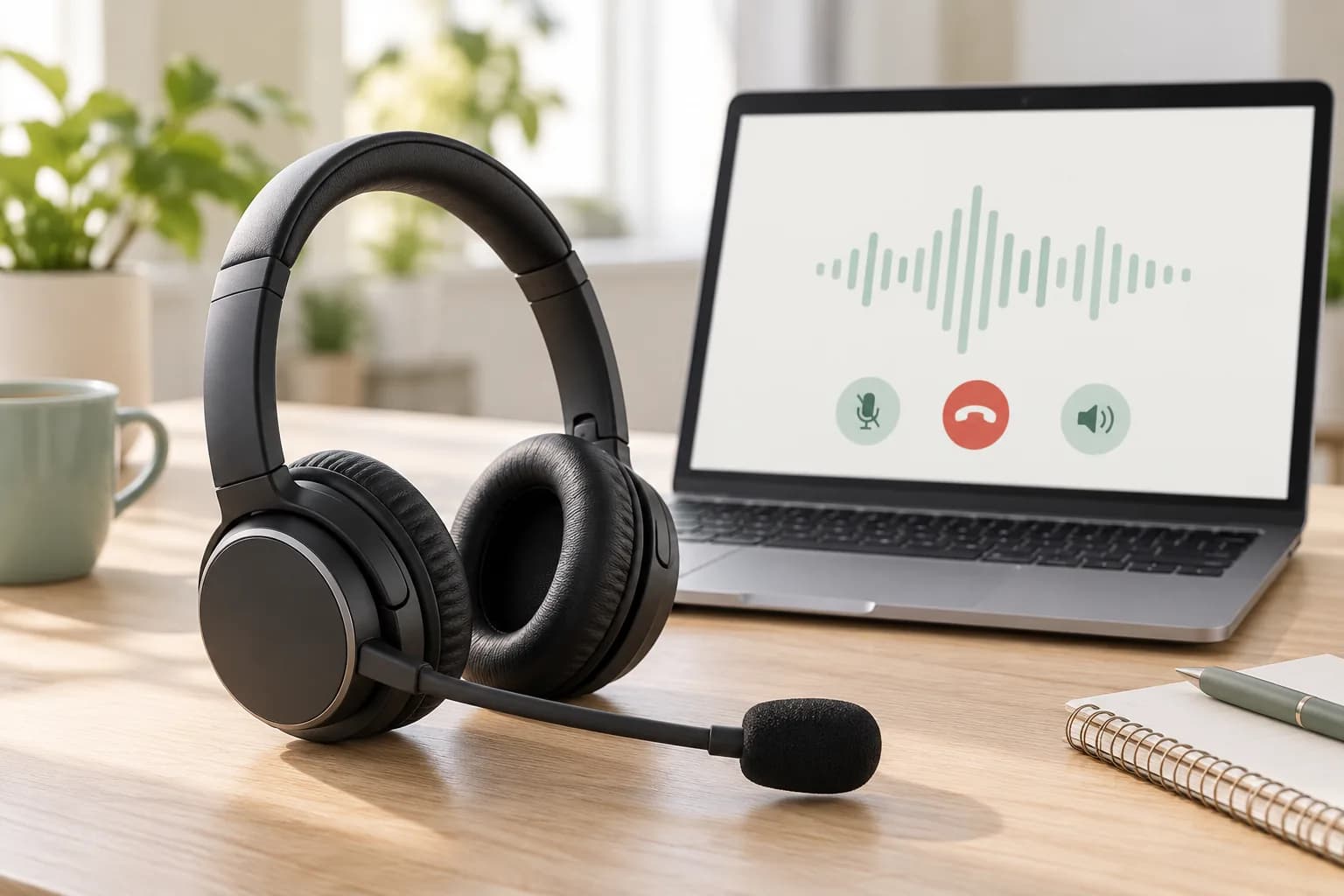
An AI calling agent can listen to a caller, interpret a request and respond through a telephone connection. Its value depends on the job you give it and the systems it can use. A useful first project has a small scope, an obvious next step and a person ready to help when the conversation needs one.
Choose one call that has a clear outcome
Review the questions your team answers repeatedly. Start with a task such as explaining opening hours, collecting the details for a callback or checking an appointment request. Describe success in one sentence: the caller receives an accurate answer, or the right team receives a complete request.
Keep negotiation, unusual complaints and decisions requiring judgment with your team during the pilot. For example, an agent can collect the preferred time for a service visit without promising that a technician is available. That promise should come from a confirmed booking result.
Connect the conversation to approved information
Voice automation combines a telephone service with conversational software. Twilio's Virtual Agent documentation describes this separation: telephony handles the call while Dialogflow manages the conversation. The exact architecture will depend on the provider you choose.
Prepare a short, maintained information source before writing a script. Include the service area, opening hours, booking rules and the questions the agent is allowed to answer. Assign someone to update it. Give the agent only the system access it needs, and require a confirmed result before it tells a caller that a request has been completed.
- Decide which details must be collected and which can be left out.
- Use a reference number to connect a call with its saved request.
- Provide a fallback response when information or a connected service is unavailable.
Make the handoff part of the design
Callers should be able to ask for a person. Also define automatic escalation points, such as repeated misunderstandings, an unsupported request or a failed system action. Tell the caller what will happen next, including whether they are being transferred or asked to wait for a callback.
Pass the receiving colleague a concise summary, the caller's stated request and any confirmed actions. Twilio's Agent Connect documentation describes transferring conversation context during escalation; confirm that your chosen implementation supports the handoff you need. Test the out-of-hours path as carefully as the live transfer.
Test real conversations before widening access
Create a test set with your support team. Include background noise, interruptions, unfamiliar names, silence, changed answers and a caller who asks the same question differently. Check what happens when a booking system times out or a transfer destination does not answer. Use fictional customer details while building these scenarios.
Explain that the caller is speaking with an automated assistant. Decide what call information you need to retain and who can access it before the pilot begins. Have your responsible team review the notices and permissions appropriate to the deployment.
Judge the pilot by the customer's outcome
Track whether callers reached the intended outcome, whether transfers succeeded and how often requests needed correction. Review unresolved calls with the people who normally handle them. A shorter conversation is useful only when it still produces an accurate answer or a complete handoff.
Set a review date and give one person ownership of improvements. Expand to a second task when the first flow behaves reliably across the test cases and real pilot calls. Keep a simple way to return calls to your normal process if quality drops.
Sources & further reading

From insight to action
Make your next step a practical one.
Talk to our team about your workflows, priorities and a useful place to start.